Virtual Learners
Program Overview:
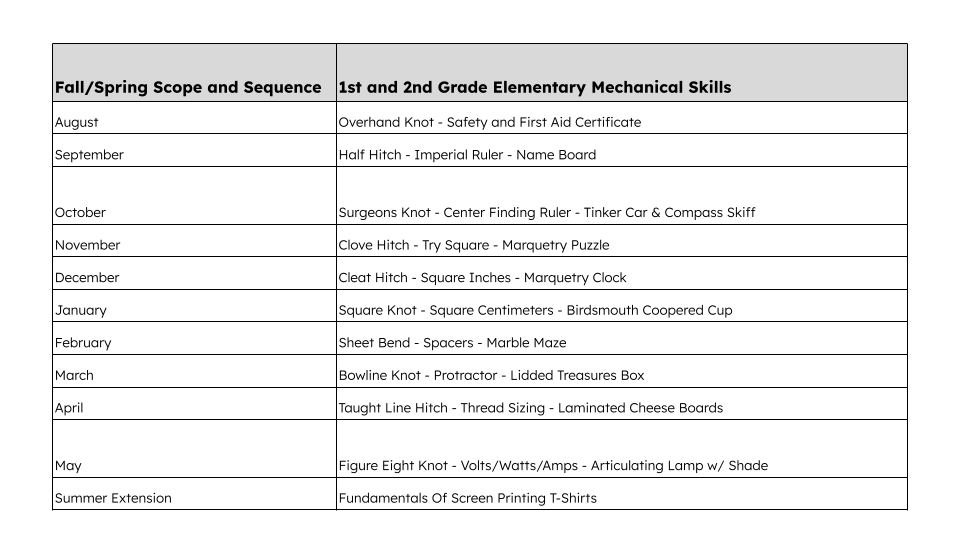
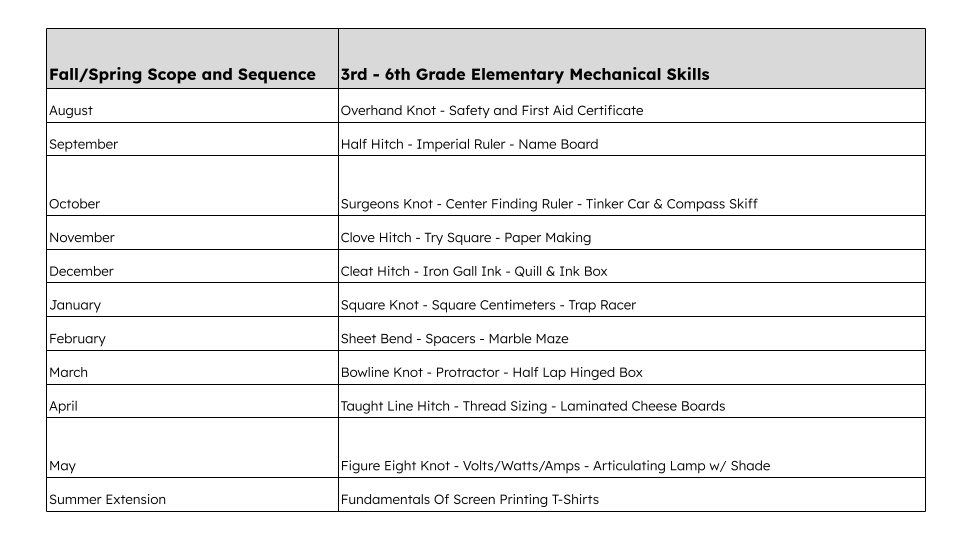
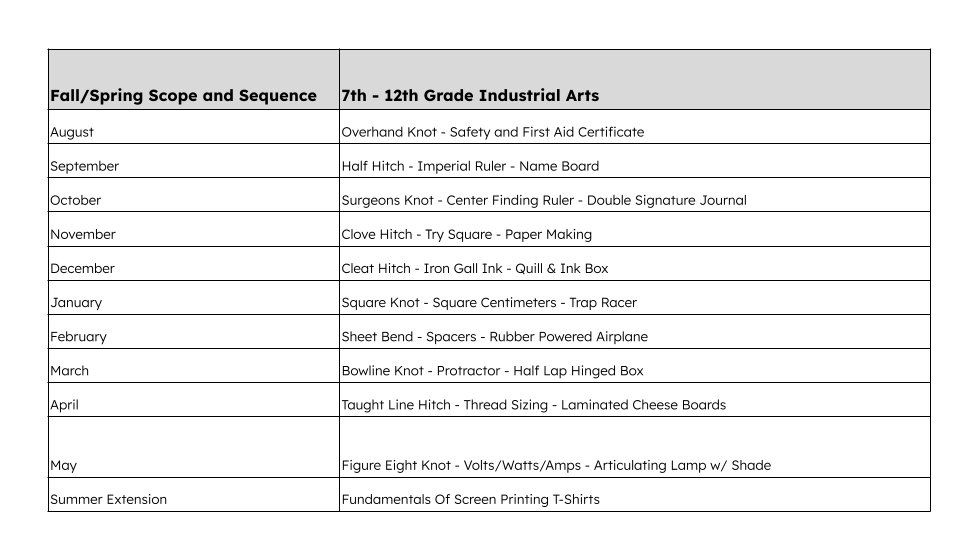
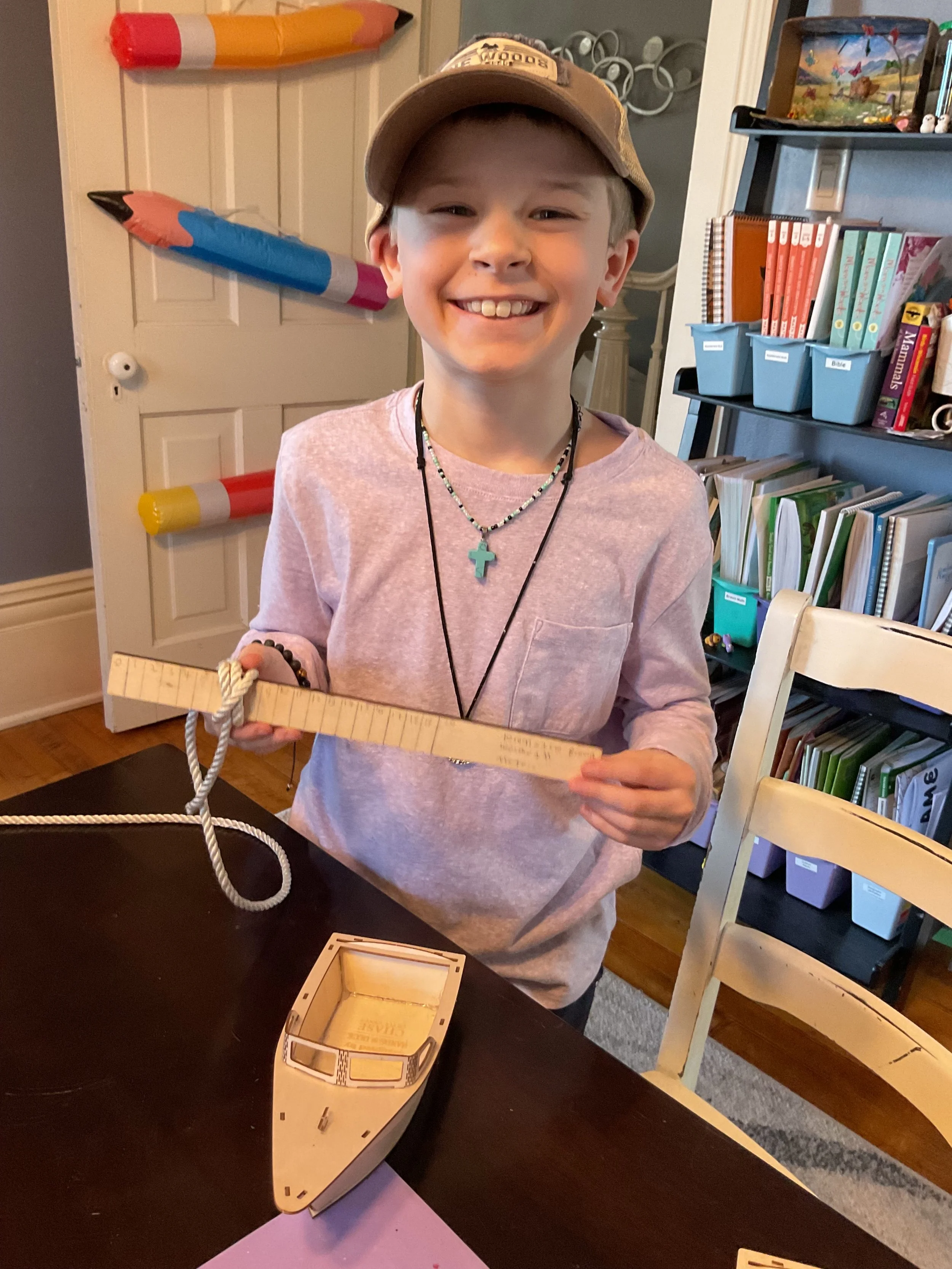
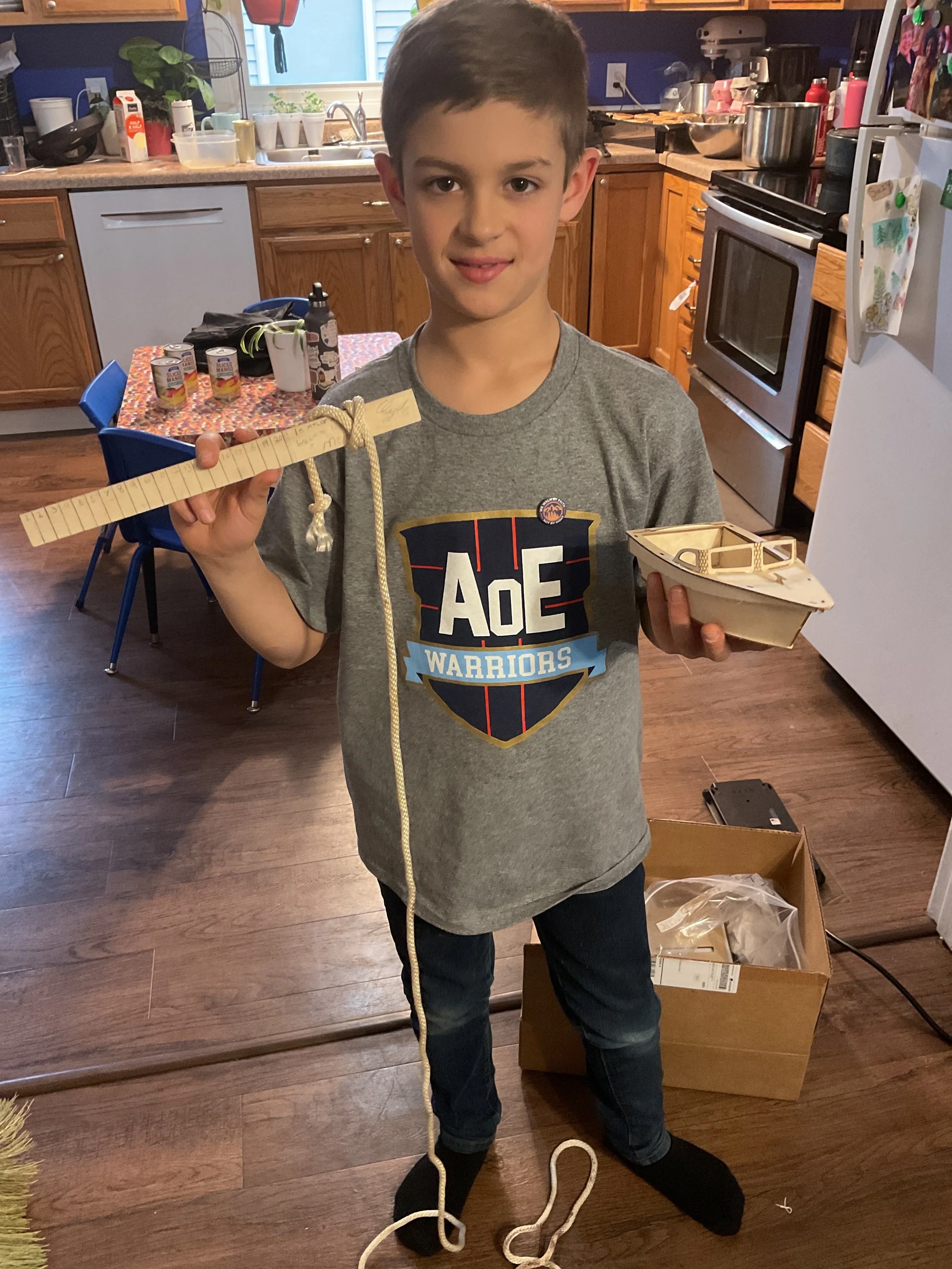
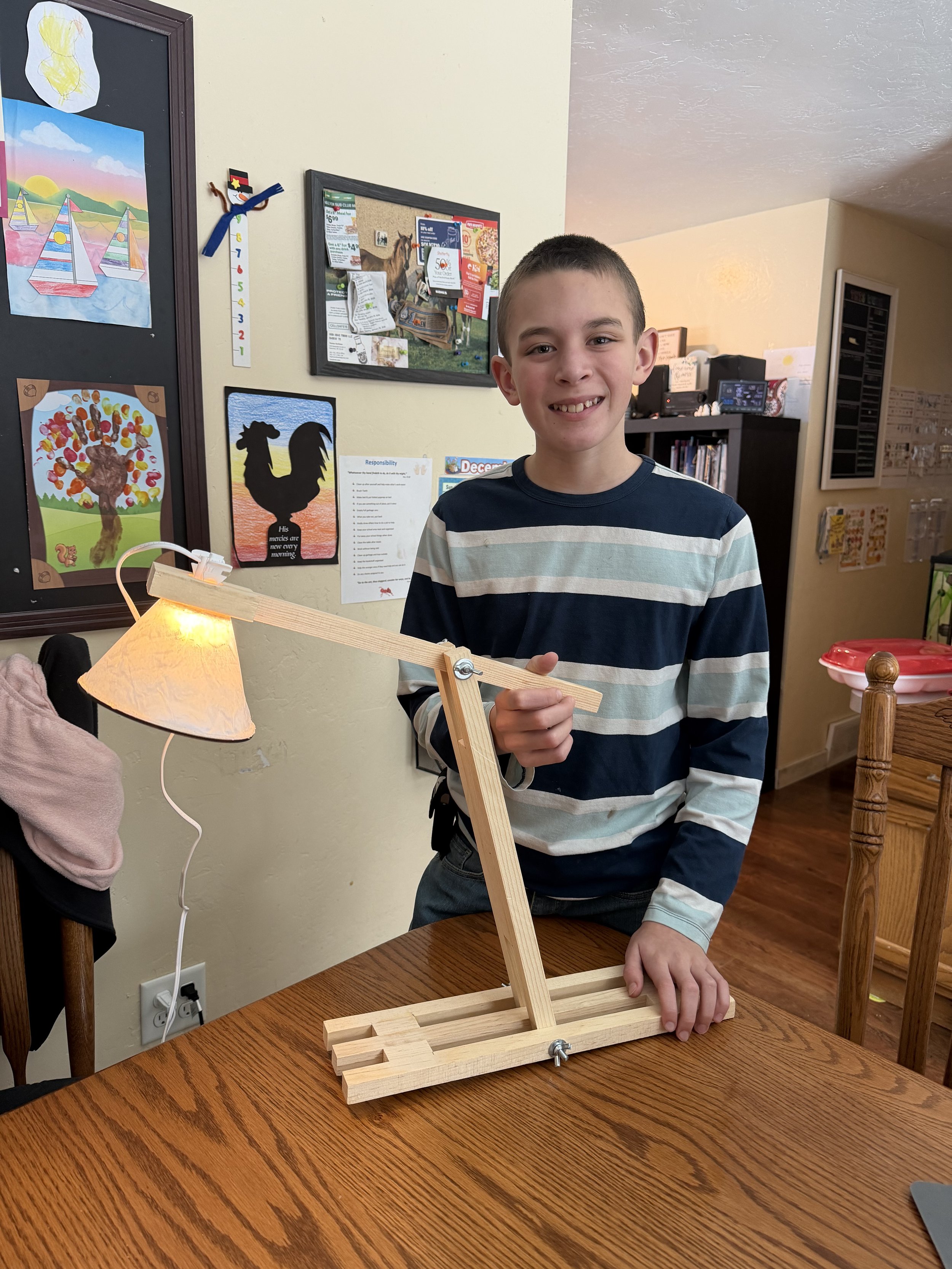
Hands On Deck’s Virtual Programming, Foundations in Practical Mechanical Skills, provides students with a structured introduction to mechanical skills, craftsmanship, and traditional methods of work through hands-on projects completed at home. Designed especially for students who may not have access to a traditional shop, the program uses monthly project kits, guided instructional videos, and independent work to teach applied math, building processes, and mechanical principles. Students gain a working understanding of material behavior, the function of simple mechanisms, and the modern application of traditional methods.
The curriculum is intentionally scaffolded to build skill over time. Each project develops from the last, moving students from foundational hand skills, joinery, and assembly into more complex construction, mechanical problem-solving, and fabrication. Along the way, students build and use their own tool set, strengthening confidence, accuracy, and independence through practical work. In an increasingly AI-centered world, the ability to work with tools, materials, and physical processes remains essential to adaptability, personal agency, and growth over multiple years of study.
Course Progression:
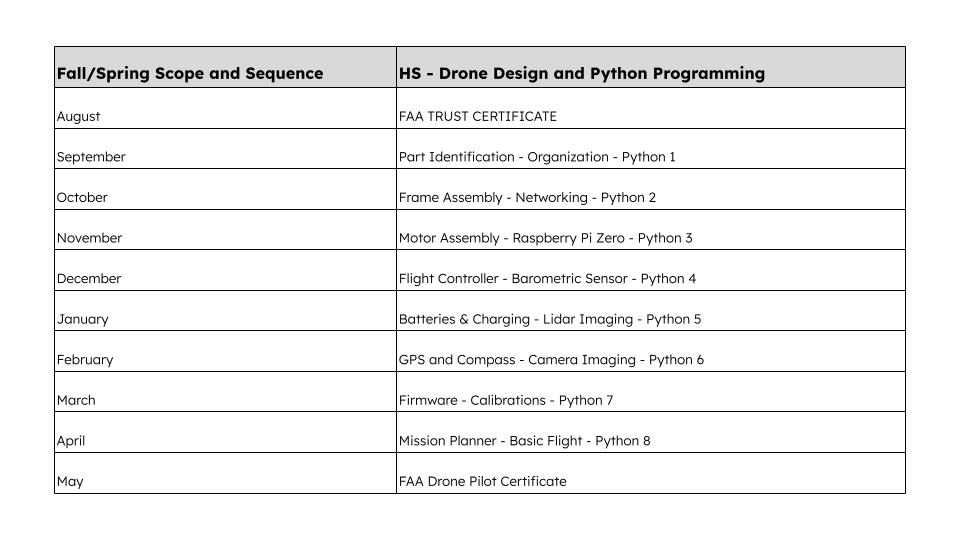
The program is structured as a ten-month course divided into two five-month semesters. Each month introduces a new project that builds on previously learned skills. Early projects focus on essential skills such as measuring, fastening, basic joinery, and careful assembly. As students progress, they build fluency with mechanical systems, deepen comprehension of structural design, and strengthen capability in fit and finish.
Students develop applied math skills through measuring, fractions, layout, and estimation, while also learning to solve problems step by step through careful observation, planning, and adjustment. Tool progression is introduced deliberately, with younger students first mastering developmentally appropriate hand tools and controlled methods before advancing to tools and processes that require greater strength, precision, and independence.